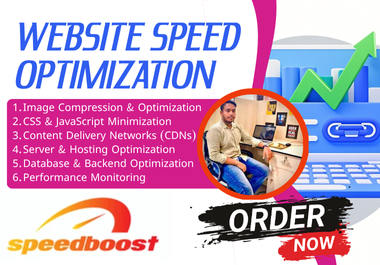
Mastering Website Speed Optimization - Strategies to Boost Performance, SEO, and Conversions
Website Speed Optimization is the process of enhancing a website’s performance to deliver faster loading times, smoother navigation, and an overall better user experience. A slow website frustrates visitors, increases bounce rates, and negatively impacts sales, while a fast site improves trust and engagement.
Key techniques involved in website speed optimization include:
- Image Compression & Optimization – reducing file sizes and using modern formats (WebP/AVIF) for quicker loading.
- CSS & JavaScript Minimization – removing unnecessary code, deferring scripts, and reducing render-blocking elements.
- Browser Caching – storing resources locally so returning visitors experience faster reloads.
- Content Delivery Networks (CDNs) – distributing site content across multiple global servers to minimize latency and improve accessibility worldwide.
- Server & Hosting Optimization – upgrading to reliable hosting, reducing server response times, and enabling modern protocols like HTTP/2 or HTTP/3.
- Database & Backend Optimization – cleaning queries, optimizing CMS plugins, and removing unused data for smoother operations.
- Performance Monitoring – using tools like Google PageSpeed Insights, GTmetrix, or Lighthouse to track Core Web Vitals and continuously improve.
A well-optimized website leads to
reduced bounce rates,
higher search engine rankings, and
increased conversions by keeping visitors engaged. With
mobile-first indexing and search engines prioritizing speed, website speed optimization is no longer optional—it is a
critical factor for user satisfaction, SEO performance, and online business success.